Latest News
 With new library comes new venue for annual Poet’s Seat Poetry Contest
 Wheeling for Healing returns to South Deerfield to raise money for cancer treatment
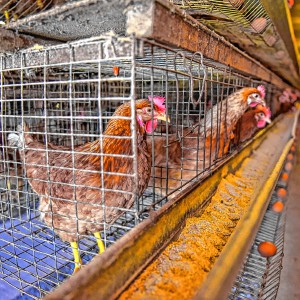 My Turn: The pecking order revolution: Massachusetts’ fight for animal rights
 With eye toward teaching firearm safety, Mahar’s Junior ROTC adding air rifles
 Conway resident leading pilot program to help families facing financial ‘cliff effect’
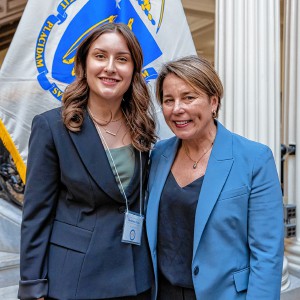 Orange resident selected for governor’s Youth Advisory Council
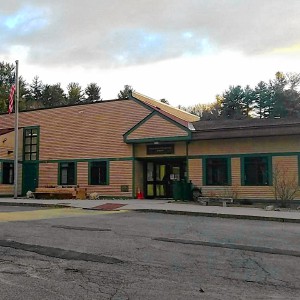 Shutesbury Elementary School principal leaving in June after 10 years
 Franklin County Technical School Honor Roll, Semester 1
 Speaking of Nature: Indulging in eye candy: Finally, after such a long wait, it’s beginning to look like spring is here
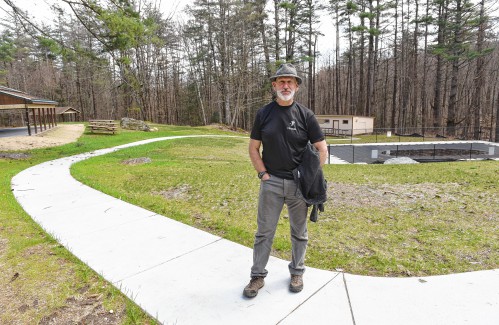
$427K to expand Camp Apex capacity in Shelburne
SHELBURNE — Thanks to $427,000 in congressionally directed spending, Franklin County’s YMCA will renovate Camp Apex to expand its capacity, allowing more families, including those relying on financial aid or scholarships, to send their children to...
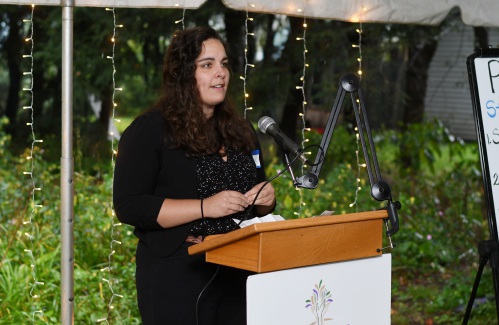
15th annual NELCWIT fundraiser set for Thursday
GREENFIELD — The Friends of NELCWIT will hold the 15th annual “Power to Persevere” fundraiser on Thursday, and this year’s event will be the first to include a dance element.The celebration, set for 5 to 8 p.m. at the Guiding Star Grange on Chapman...
Most Read
 Of nearly 180 canoes in River Rat Race, Zaveral/MacDowell team claims victory
 Wealth of historic Quabbin Reservoir photos available online
 Greenfield seeks answers for $1M in state funds for Green River School
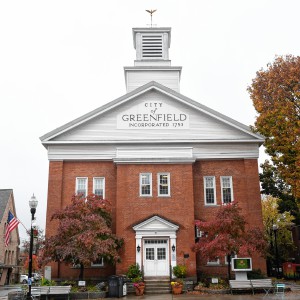 Proposed Greenfield tax fund would benefit elderly, residents with disabilities
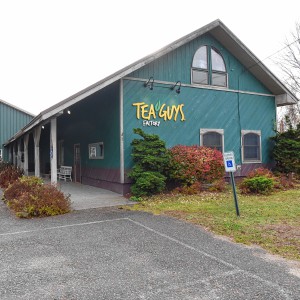 Tea Guys of Whately owes $2M for breach of contract, judge rules
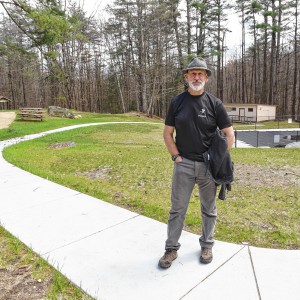 $427K to expand Camp Apex capacity in Shelburne
Editors Picks
 Montague and Erving Notebook: April 15, 2024
 PHOTOS: Cultural exploration
 Greenfield Notebook: April 15, 2024
 North Quabbin Notebook: April 16, 2024
Sports

High schools: Mahar softball can’t stay with Northampton in 20-6 loss (PHOTOS)
The Mahar softball team is working hard to get its first win in a long time. The Senators — which are still searching for their first win post COVID — hosted Northampton on Monday, but the Blue Devils put runs up on the board in a hurry. Northampton...
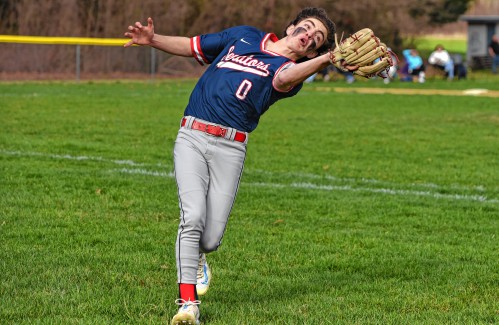 Baseball: Sam Connors, Mahar get past Smith Academy for win No. 2 (PHOTOS)
 High schools: Big fifth inning powers Pioneer baseball past Greenfield
 Boys volleyball: Athol can’t stay with Holyoke in 3-0 loss (PHOTOS)
 Max Homa is among a group of Masters contenders who are vying for their first major title
Opinion

My Turn: How to welcome a refugee family into your community
The loud and shameless politics that surrounds the issue of undocumented immigration makes it easy to miss the moves that the Biden administration has been making in the realm of legal immigration, from rebuilding the refugee program to expediting the...
 Brian Prescott: No road closure coordination
 David Kempf: Thankful for quiet on Trump
 Columnist Daniel Cantor Yalowitz: Cultural humility means relinquishing ‘superiority’
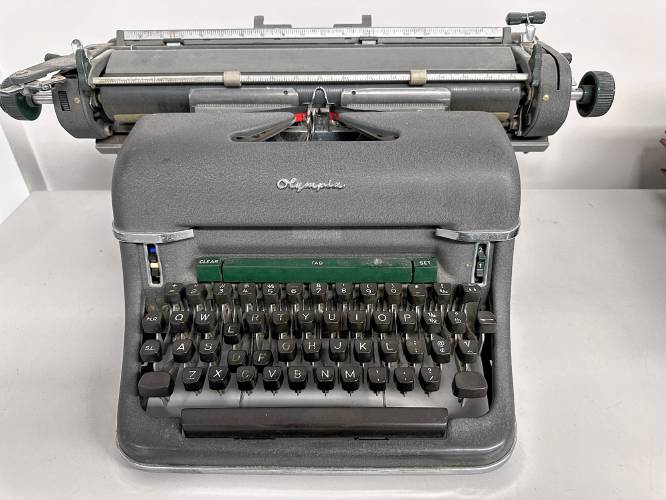 Guest columnist William Lambers: Boston Marathon winner inspires action against hunger
Business
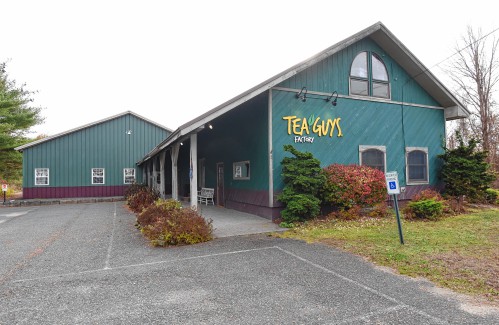
Tea Guys of Whately owes $2M for breach of contract, judge rules
WHATELY — Tea Guys LLC must pay more than $2 million to a Baltimore tea company due to a breach of contract, a Franklin County Superior Court judge has ruled.The small business in Whately was sued last summer by Zest Tea LLC and had two bank accounts...
 Primo Restaurant & Pizzeria in South Deerfield under new ownership
 Patrons can ‘walk down memory lane’ at Sweet Phoenix’s new Greenfield location
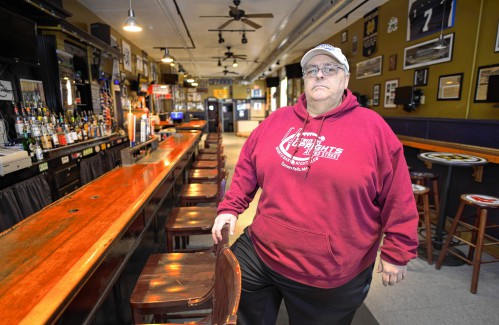 Post-pandemic hardship prompts Between The Uprights closure in Turners Falls
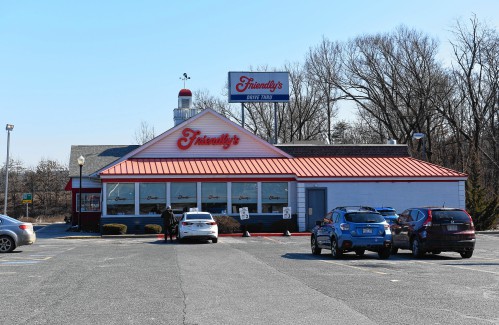 Starbucks gets go-ahead from Greenfield Planning Board
e-Edition
Arts & Life
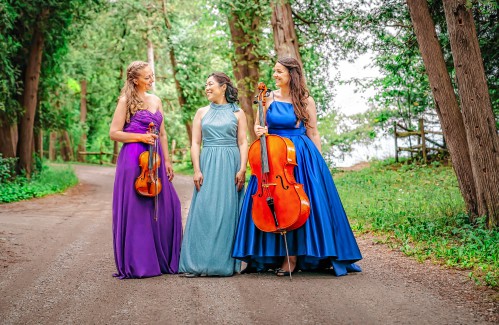
Spotlight on women in classical music: Brick Church Music Series’s season comes to a close, April 28-29, with Champlain Trio
Join the First Church of Deerfield for two days of classical music, as the Brick Church Music Series’ 2023-2024 season comes to a close on April 28 and 29.The two-part event begins on Sunday, April 28, at 3 p.m. at the First Church of Deerfield, 71...
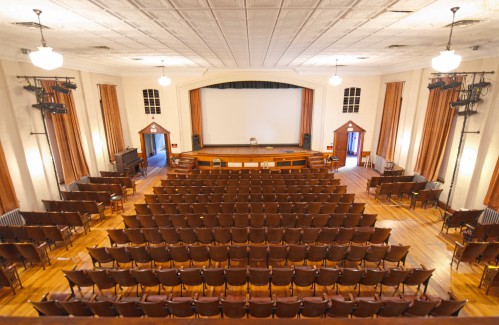 Ready for their close-up: Pothole Pictures announces a season of curated film screenings, live music and $1 popcorn
 You’re up next: Western Mass open mic scene heats up post-pandemic
 Sounds Local: Fun for the whole family: Meltdown, a book and music fest for kids, returns to Greenfield this Saturday
 A varied and appealing ‘American Table’: New book from the Smithsonian looks at American history through the lens of food
Obituaries
 Matthew J. Osofsky
Greenfield, MA - Matthew J. Osofsky, 38, died Saturday 4/6/24 at the Baystate Medical Center in Springfield from injuries sustained from a car accident. He was born in Brooklyn, NY on Febru... remainder of obit for Matthew J. Osofsky
 Sandra J. Niedzwiedz
Erving, MA - Sandra J. Niedzwiedz, 69, of Goodell Place passed away unexpectantly at home on Wednesday, April 10, 2024. She was born in Greenfield on May 3, 1954, the daughter of Bernard an... remainder of obit for Sandra J. Niedzwiedz
 Barbara M. Mahar
Greenfield, MA - Barbara M. (Schotte) Mahar, 87, of Log Plain Rd., passed away on April 12, 2024 at Charlene Manor Extended Care Facility. A life-long resident of Greenfield, Barbara wa... remainder of obit for Barbara M. Mahar
Irving E. Mullette
North Adams, MA - Irving Mullette was born in North Adams, MA on April 23, 1938 to Eugene and (Vera) Christine Mullette. Out of high school, he went to East Coast Aero Tech Flying School, f... remainder of obit for Irving E. Mullette